Modern digital environments rely heavily on software to manage tasks, organize information, and improve productivity. From small teams to large organizations, the need for reliable tools that simplify operations has become increasingly important. Many software systems aim to reduce manual work, connect different processes, and help users handle complex workflows more efficiently.
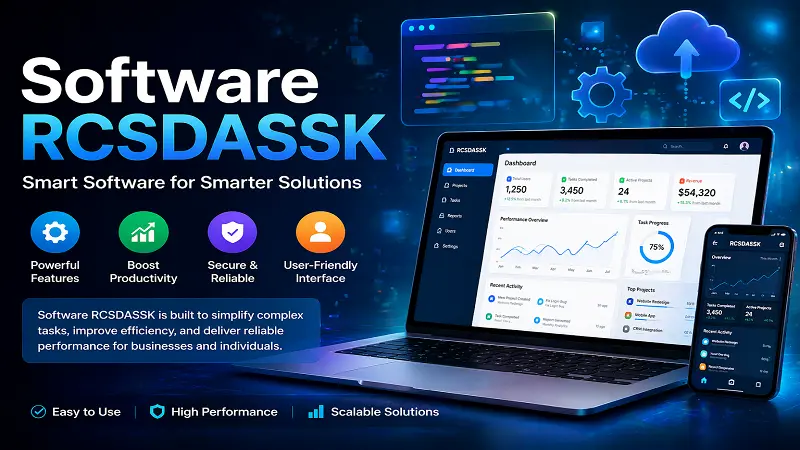
One solution that has attracted attention in discussions about workflow tools and digital operations is software rcsdassk. Although it is not widely recognized compared to mainstream software categories, it represents the broader concept of specialized applications designed to streamline tasks, automate repetitive processes, and support data management.
Understanding how such software works, its potential advantages, and the challenges associated with digital tools can help users make better decisions when adopting technology in their daily workflows. This article explains the concept, functionality, and practical role of this type of software in a clear and easy-to-understand way.
What Is Software rcsdassk?
Software tools designed for operational efficiency often focus on simplifying complicated tasks and organizing digital processes. software rcsdassk is generally described as a system that helps manage workflows, automate routine operations, and organize data in a structured environment.
In many cases, software like this is developed to handle tasks that would otherwise require multiple separate applications. Instead of switching between different systems, users can manage information, track activities, and process data in one centralized environment.
The goal of such software solutions is to improve productivity by reducing the time spent on manual tasks. By organizing workflows and providing automation features, they help users focus on decision-making and strategic work rather than repetitive operations.
Another important aspect is flexibility. Tools designed for workflow management often allow customization so that users can adapt the system to their own processes rather than completely changing how they work.
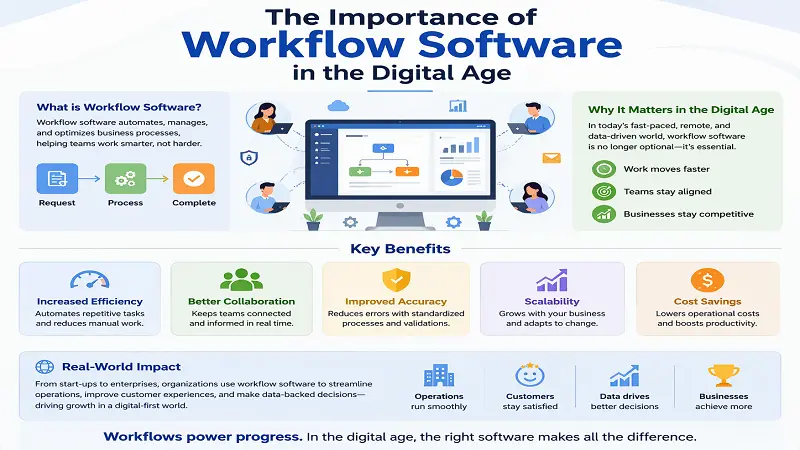
Digital transformation has changed how organizations and individuals manage tasks. In the past, many processes were handled manually or through isolated software systems that did not communicate with each other. This often resulted in duplicated work, errors, and delays.
Modern workflow software addresses these issues by connecting tasks and organizing information more effectively. Instead of storing data in multiple locations, these systems create a unified structure where information flows smoothly between processes.
Key advantages of workflow-focused software include:
- Better organization of tasks and projects
- Improved accuracy in data processing
- Reduced manual work
- Faster communication between processes
- Clear visibility of progress and performance
By using digital tools to coordinate operations, users can maintain consistency and improve overall efficiency.
Core Functions of Workflow Management Software
Software designed for operational management typically includes several important functions that help users control tasks and information. While different systems vary in complexity, most share common features.
Task Organization
Task management is a central feature of many digital productivity tools. Users can create tasks, assign priorities, and track progress through different stages of completion.
This structured approach helps teams and individuals manage workloads more effectively and avoid missing deadlines.
Process Automation
Automation is another key capability. Instead of repeating the same actions manually, users can configure the system to perform routine processes automatically.
Examples of automated actions include:
- Scheduling regular tasks
- Generating reports automatically
- Sending reminders or notifications
- Updating records based on predefined conditions
Automation reduces human error and saves valuable time.
Data Processing and Management
Handling information efficiently is crucial in modern digital systems. Workflow software often includes tools for organizing large amounts of data and generating reports.
These features allow users to analyze information more easily and make informed decisions based on accurate data.
Monitoring and Reporting
Many systems provide dashboards that display key performance indicators or progress metrics. These dashboards help users monitor operations in real time and identify potential problems before they become serious.
Reports generated by the system can also assist in planning and evaluation.
Key Features of Software Tools Like rcsdassk
Digital workflow platforms often include several features that support productivity and simplify operations. Some of the most common features include the following.
User-Friendly Interface
A clear and intuitive interface makes software accessible even for beginners. Well-organized dashboards, menus, and visual indicators help users navigate the system without needing advanced technical knowledge.
Ease of use is important because complicated software often discourages adoption.
Automation Capabilities
Automation features allow users to schedule actions or trigger processes automatically. This reduces the amount of repetitive work that must be done manually.
For example, a workflow system may automatically update records when certain conditions are met or notify team members when a task changes status.
Data Security
Data security is a major concern for any digital platform. Software designed for operational management typically includes security features that protect sensitive information from unauthorized access.
Security measures may include authentication systems, access controls, and encrypted storage.
Customization Options
Different organizations and individuals have unique workflows. Customization allows users to adjust settings, create custom task categories, and define rules that match their specific processes.
This flexibility ensures that the system remains useful even as workflows evolve.
Practical Uses in Different Environments
Workflow software can be applied in many professional and technical environments. Its versatility allows different types of users to benefit from its capabilities.
Business Operations
Businesses often use workflow software to manage internal processes such as project coordination, reporting, and administrative tasks. By organizing operations in a digital system, companies can reduce confusion and maintain consistent records.
Education and Research
Educational institutions and research teams frequently handle large amounts of information. Digital workflow systems help manage schedules, organize documents, and track progress in academic projects.
Technical and Analytical Work
Professionals working with technical systems or data analysis may use workflow tools to monitor processes, record results, and generate reports automatically.
Freelancers and Independent Professionals
Individuals managing multiple clients or projects can also benefit from organized digital workflows. Task management and automation features help freelancers keep track of deadlines and responsibilities.
Benefits of Using Workflow Software
Adopting digital workflow tools can offer several advantages that improve productivity and organization.
Increased Efficiency
Automation and structured task management reduce the time required to complete routine operations. This allows users to focus on creative or strategic work.
Better Organization
Centralized systems keep information in one place, making it easier to access data and track progress.
Reduced Errors
Manual processes are more likely to result in mistakes. Automation helps ensure that tasks are performed consistently and accurately.
Improved Collaboration
When multiple people work on the same project, workflow software provides a shared environment where everyone can see updates and progress.
Scalability
As projects grow in size or complexity, structured digital systems can adapt more easily than manual processes.
Potential Challenges and Considerations
While workflow software provides many advantages, it also presents some challenges that users should consider.
Learning Curve
New users may need time to understand the system’s interface and features. Training or practice may be required to use advanced functions effectively.
System Compatibility
Some software requires certain hardware or operating system specifications. Ensuring compatibility with existing systems is important before adoption.
Maintenance and Updates
Regular updates may be necessary to maintain performance and security. Users should stay informed about software updates to avoid technical issues.
Data Protection Responsibilities
Even when software includes security features, users must follow best practices such as strong passwords and secure backups to protect sensitive data.
Best Practices for Using Workflow Software Effectively
To maximize the benefits of workflow tools, users should follow several practical guidelines.
Keep the system organized.
Clearly defined tasks, categories, and labels make information easier to manage.
Automate repetitive processes.
Identify routine actions that can be automated to save time.
Update the system regularly.
Software updates often include security improvements and new features.
Back up important data.
Maintaining backups helps prevent data loss in case of technical problems.
Train users properly.
When teams understand how to use the system effectively, productivity improves significantly.
The Future of Workflow Software
As digital technology continues to evolve, workflow software is expected to become more advanced and intelligent. Future developments may include improved automation, integration with cloud systems, and enhanced analytical tools.
Artificial intelligence and machine learning technologies may also play a role in helping software predict trends, recommend actions, and optimize processes automatically.
As organizations continue to rely on digital systems, the role of structured workflow management tools will likely become even more important.
Conclusion
Digital workflow tools play a crucial role in improving productivity, organization, and operational efficiency. By simplifying complex processes and automating repetitive tasks, they help users manage information and responsibilities more effectively.
Understanding the structure and capabilities of systems like software rcsdassk can help individuals and organizations appreciate the importance of organized digital processes. From task management and data handling to automation and reporting, such tools provide practical solutions for modern workflows.
Adopting structured software systems requires careful planning, proper training, and consistent maintenance. However, when used effectively, these tools can significantly improve efficiency and support long-term productivity in both professional and personal environments.
FAQs
1. What is the main purpose of workflow management software?
Workflow management software is designed to organize tasks, automate repetitive processes, and manage information efficiently. It helps users improve productivity and maintain structured operations.
2. Is workflow software suitable for individuals as well as organizations?
Yes, both individuals and organizations can benefit from workflow software. Freelancers, researchers, and professionals often use it to manage projects, schedules, and data.
3. What are the key benefits of using digital workflow tools?
Major benefits include improved efficiency, better organization, reduced manual errors, easier collaboration, and scalability for growing projects.
4. Do workflow management tools require technical expertise?
Most modern systems are designed with user-friendly interfaces, making them accessible even to beginners. However, learning advanced features may take some time.
5. How can users protect their data when using workflow software?
Users can protect their data by using strong passwords, restricting access permissions, updating the software regularly, and maintaining secure backups.